

Technology changes quickly, and computers age faster than most of us would like. Whether you’re a homeowner trying to extend the life of your laptop, a student with an aging machine, or a business owner worried about downtime, there will inevitably come a moment when you face the classic question: Should you upgrade or replace your computer?
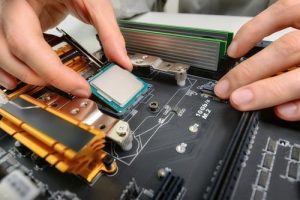
At PC Repair of CT, we see this dilemma every day. Some customers come in afraid they’ll need to buy an expensive new system—only to discover that a simple upgrade can make their computer feel brand new. Others come in hoping for a quick fix but actually need a replacement to avoid throwing good money after bad.
This guide breaks down everything you need to know to make the smartest, most cost-effective decision. You’ll learn:
- How long computers typically last
- The signs that upgrades can solve your problems
- When repairs are worth it—and when they’re not
- How to compare the cost of upgrading vs. replacing
- Which upgrades offer the biggest performance boost
- When buying new is the smarter long-term move
- How PC Repair of CT helps you decide
Whether your computer is running slowly, crashing, or simply showing its age, this guide will give you confidence in your next steps.
1. How Long Should a Computer Last?
Before deciding whether to upgrade or replace a computer, it helps to understand its expected lifespan.
Most computers fall into these general ranges:
- Budget laptops: 3–5 years
- Mid-range laptops and desktops: 5–7 years
- High-end business or gaming machines: 7–10 years
These ranges depend heavily on:
- Your usage habits
- How well the machine has been maintained
- Whether it’s been upgraded along the way
- The operating system’s support status
If your computer is over 7+ years old, even with upgrades, it may start to struggle with:
- Compatibility
- Speed
- Security updates
- Hardware limitations
Still, age alone shouldn’t be the only factor. Performance, cost, and goals matter just as much.
2. Signs Your Computer Might Just Need an Upgrade
Many people assume their computer is “too old” when really it just needs a few hardware improvements.
Here are the most common signs that upgrading—not replacing—is the best option.
A. Your Computer Is Slow but Still Basically Functional
If your system is sluggish but otherwise stable, upgrades can often make a dramatic difference.
Slow performance often comes from:
- Not enough memory (RAM)
- A mechanical hard drive instead of a modern SSD
- Too many background applications
- Temporary files and clutter
- A dirty or clogged cooling system
If the machine boots, loads apps (even slowly), and doesn’t crash regularly, there’s a good chance it’s upgradable.
B. You Have a Mechanical Hard Drive (HDD) Instead of an SSD
This is the #1 upgrade PC Repair of CT recommends.
Replacing an HDD with an SSD can:
- Cut boot time from minutes to seconds
- Make programs launch instantly
- Reduce heat and noise
- Extend the usable life of the computer
Even older computers can handle SSD upgrades and benefit enormously.
C. Your Computer Is Running Out of Memory (RAM)
If you multitask, open many browser tabs, or run heavier applications (Zoom, design tools, office software), low RAM drastically slows your machine.
Adding RAM can:
- Reduce lag
- Speed up multitasking
- Improve stability
Many computers allow RAM upgrades—even some laptops.
D. Your System Is Physically Clean but Running Hot
Dust is a silent computer killer.
Overheating can cause:
- Random shutdowns
- Loud fan noise
- Slow performance
- Permanent component damage
A professional cleaning or fan replacement can fix this without needing a new machine.
E. The Battery Life on Your Laptop Has Declined
Laptop batteries lose capacity over time.
If your system performs well when plugged in, a battery replacement may be all you need.
F. The Computer Works but Needs a Few Repairs
Repairs that are usually worth doing:
- Keyboard replacement
- Screen replacement
- RAM swap
- SSD upgrade
- Cleaning/fan replacement
- Reinstalling Windows
- Virus/malware removal
If these are the only issues, upgrading is often cheaper and smarter than replacing.
3. Signs It’s Time to Replace a Computer Instead of Upgrading
Upgrades can fix many problems—but not all. Here are strong indicators that you should replace your machine.
A. The Motherboard or CPU Has Failed
Motherboard and CPU failures are major repairs.
Reasons replacement is usually better:
- Parts are expensive
- Older CPUs may no longer be manufactured
- Motherboard replacements can be labor-intensive
- Replacing one old part doesn’t update the rest of the system
If either of these fails on an older system, replacing the computer is typically the most economical choice.
B. Your System Is Too Old to Run Modern Software
If your computer can’t run the latest version of:
- Windows
- macOS
- Microsoft Office
- Antivirus tools
- Browsers like Chrome or Edge
…then the system may no longer be secure.
An unsupported operating system is a security risk and a sign that replacement is due.
C. Repairs Cost More Than Half the Price of a New Computer
A rule of thumb used by repair professionals:
If repairs cost more than 50% of the price of a comparable new machine, it’s time to replace.
This includes:
- Screen replacements for older laptops
- Motherboard repairs
- Logic board replacements
- Hard-to-find proprietary parts
Sometimes fixing an old machine is simply throwing money at something near the end of its life.
D. Your Computer Randomly Crashes or Boots Inconsistently
Intermittent problems are often:
- Motherboard faults
- Failing solder joints
- Power delivery issues
- Damaged internal connectors
These are warning signs of deeper electronic failure.
If diagnostics reveal unpredictable behavior, replacement is usually safer.
E. Your Work or Business Needs Have Outgrown the Hardware
If you now need to:
- Edit videos
- Design graphics
- Run virtual machines
- Operate business software
- Use multiple monitors
…an older system may simply be underpowered.
In these cases, replacing with a system designed for your new workload saves you time, frustration, and money.
F. Your Laptop’s Structural Integrity Is Compromised
If your laptop has:
- A cracked frame
- Bent hinges
- A separating display
- A warped keyboard deck
…it may not be safe or worthwhile to repair.
Structural damage can worsen quickly, damaging internal components along the way.
4. The Most Effective Upgrades (and Their Benefits)
If upgrade is the better path, here are the upgrades that offer the best return on investment.
1. SSD Upgrade (Highest Impact)
Replacing a hard drive with an SSD is the single biggest improvement you can make.
Benefits:
- 5× to 10× faster performance
- Faster boot times
- Quicker loading of apps
- Lower power consumption
- Quieter operation
- Less heat
For many customers at PC Repair of CT, this one upgrade makes their computer feel brand new.
2. RAM Upgrade
Adding more memory is especially helpful if you:
- Keep many tabs open
- Edit photos
- Use office software for work
- Run Zoom or Teams
- Use design or finance apps
Even 4GB → 8GB or 8GB → 16GB can be life-changing for performance.
3. Cleaning and Thermal Maintenance
Dust buildup is a common cause of performance issues. Cleaning includes:
- Removing internal dust
- Cleaning vents
- Replacing or refreshing thermal paste
- Replacing worn or noisy fans
This prevents overheating, extends hardware life, and improves performance.
4. Battery Replacement
If your laptop dies quickly, replacing the battery is much cheaper than replacing the whole machine.
5. Operating System Reinstall or Upgrade
A fresh OS install can solve:
- Software corruption
- Virus damage
- Lag
- Boot errors
- Update issues
This is often paired with hardware upgrades.
6. GPU Upgrade (for Desktops)
If you use your computer for:
- Gaming
- Video editing
- CAD
- 3D modeling
A new graphics card can significantly improve performance.
5. Cost Comparison: Upgrading vs. Replacing
Here’s a realistic breakdown:
Average Upgrade Costs
- SSD upgrade: $120–$200
- RAM upgrade: $60–$150
- Cleaning/thermal service: $80–$150
- Battery replacement: $80–$180
- Screen replacement: $150–$300
A full refresh of an older computer might be $200–$350 total.
Average Replacement Costs
- Basic laptop: $350–$500
- Mid-range laptop/desktop: $600–$900
- High-end systems: $1,000–$2,000+
If upgrading costs more than half the cost of a replacement—and the computer is over 6 years old—replacement is usually smarter.
6. Environmental Impact: Another Reason to Upgrade When Possible
Upgrading instead of replacing:
- Reduces e-waste
- Extends device lifespan
- Saves energy resources
- Keeps older hardware out of landfills
At PC Repair of CT, we always look for the most sustainable option before recommending replacement.
7. Business Considerations: When Companies Should Replace Systems
Business computers have additional needs:
- Data security
- Software compatibility
- HIPAA/PCI compliance
- Minimal downtime
- Multi-monitor support
For businesses, we often recommend replacing systems every 4–6 years to maintain reliability and reduce risk.
Old computers can cost businesses far more in lost productivity than a new system would cost.
8. How PC Repair of CT Helps You Make the Right Choice
We never push unnecessary replacements.
We also never recommend upgrades when they wouldn’t solve the problem.
Here’s how our evaluation process works:
1. Full Diagnostic Testing
We check:
- Hard drive health
- RAM performance
- Motherboard integrity
- Battery condition
- Fan and cooling system
- Power delivery
- Software corruption
- Boot stability
This identifies whether the system is a good candidate for repair.
2. Honest Cost Comparison
We provide:
- Upgrade cost
- Replacement cost
- Which option gives you better long-term value
- Expected lifespan of your current device after upgrades
This ensures you make the best financial decision.
3. Transparent Recommendations
We explain:
- What each upgrade will achieve
- What it will NOT fix
- Whether additional issues may appear
- How long the system can reasonably last
No pressure, no upselling—just clear information.
4. Expert Repairs and Installations
If you choose to upgrade, we handle everything:
- Installing RAM or SSDs
- Migrating your data
- Cleaning and optimizing the system
- Reinstalling software
- Updating the operating system
- Running stress tests
- Ensuring stability
If replacement is the better option, we help you choose the right computer for your needs and budget.
9. Real Customer Scenarios: Upgrade or Replace?
Here are some examples based on actual situations we see at PC Repair of CT.
Scenario 1: Slow but Functional Laptop (Upgrade)
A 4-year-old laptop running slow, taking minutes to boot.
Diagnosis: Mechanical hard drive and low RAM.
Solution: SSD upgrade + RAM increase.
Result: Boots in seconds and performs like new.
Scenario 2: Cracked Screen and Motherboard Issue (Replace)
A 7-year-old laptop with a broken display and intermittent motherboard failures.
Repair cost: >$400
Replacement cost: $500
Recommendation: Replace.
Scenario 3: Battery Drains Quickly (Upgrade)
Laptop works fine but battery lasts only 20 minutes.
Solution: Battery replacement.
Cost: $120
Result: Laptop runs like new.
Scenario 4: Business Computer Not Meeting Software Requirements (Replace)
A business upgrading to new accounting software finds their 8-year-old desktops can’t run it.
Recommendation: Replace to avoid downtime and support issues.
10. Final Decision Guide: Upgrade or Replace?
Use this checklist:
Choose to Upgrade If:
- The computer is under 6 years old
- It uses a mechanical HDD
- It needs more RAM
- It overheats but has no hardware failures
- The battery is weak but the system is strong
- Performance is the only issue
Choose to Replace If:
- It’s 7+ years old
- The motherboard or CPU has failed
- Repairs cost more than 50% of a replacement
- The system cannot run supported software
- It randomly crashes or won’t boot consistently
- Parts are unavailable
Conclusion: PC Repair of CT Helps You Make the Smartest Choice
Deciding whether to upgrade or replace a computer doesn’t have to be overwhelming. With expert diagnostics, honest recommendations, and years of experience, PC Repair of CT is your trusted local partner for all your computer needs.
Whether your system needs:
- A simple upgrade
- Deep cleaning
- A fresh install
- A full repair
- Or guidance choosing a new machine
—we’re here to help you make the most cost-effective, long-lasting decision.
If your computer is slowing down or acting up, contact PC Repair of CT today for a full diagnostic and personalized recommendation.
If you’d like, ITechnology changes quickly, and computers age faster than most of us would like. Whether you’re a homeowner trying to extend the life of your laptop, a student with an aging machine, or a business owner worried about downtime, there will inevitably come a moment when you face the classic question: Should you upgrade or replace your computer?
At PC Repair of CT, we see this dilemma every day. Some customers come in afraid they’ll need to buy an expensive new system—only to discover that a simple upgrade can make their computer feel brand new. Others come in hoping for a quick fix but actually need a replacement to avoid throwing good money after bad.
This guide breaks down everything you need to know to make the smartest, most cost-effective decision. You’ll learn:
- How long computers typically last
- The signs that upgrades can solve your problems
- When repairs are worth it—and when they’re not
- How to compare the cost of upgrading vs. replacing
- Which upgrades offer the biggest performance boost
- When buying new is the smarter long-term move
- How PC Repair of CT helps you decide
Whether your computer is running slowly, crashing, or simply showing its age, this guide will give you confidence in your next steps.
1. How Long Should a Computer Last?
Before deciding whether to upgrade or replace a computer, it helps to understand its expected lifespan.
Most computers fall into these general ranges:
- Budget laptops: 3–5 years
- Mid-range laptops and desktops: 5–7 years
- High-end business or gaming machines: 7–10 years
These ranges depend heavily on:
- Your usage habits
- How well the machine has been maintained
- Whether it’s been upgraded along the way
- The operating system’s support status
If your computer is over 7+ years old, even with upgrades, it may start to struggle with:
- Compatibility
- Speed
- Security updates
- Hardware limitations
Still, age alone shouldn’t be the only factor. Performance, cost, and goals matter just as much.
2. Signs Your Computer Might Just Need an Upgrade
Many people assume their computer is “too old” when really it just needs a few hardware improvements.
Here are the most common signs that upgrading—not replacing—is the best option.
A. Your Computer Is Slow but Still Basically Functional
If your system is sluggish but otherwise stable, upgrades can often make a dramatic difference.
Slow performance often comes from:
- Not enough memory (RAM)
- A mechanical hard drive instead of a modern SSD
- Too many background applications
- Temporary files and clutter
- A dirty or clogged cooling system
If the machine boots, loads apps (even slowly), and doesn’t crash regularly, there’s a good chance it’s upgradable.
B. You Have a Mechanical Hard Drive (HDD) Instead of an SSD
This is the #1 upgrade PC Repair of CT recommends.
Replacing an HDD with an SSD can:
- Cut boot time from minutes to seconds
- Make programs launch instantly
- Reduce heat and noise
- Extend the usable life of the computer
Even older computers can handle SSD upgrades and benefit enormously.
C. Your Computer Is Running Out of Memory (RAM)
If you multitask, open many browser tabs, or run heavier applications (Zoom, design tools, office software), low RAM drastically slows your machine.
Adding RAM can:
- Reduce lag
- Speed up multitasking
- Improve stability
Many computers allow RAM upgrades—even some laptops.
D. Your System Is Physically Clean but Running Hot
Dust is a silent computer killer.
Overheating can cause:
- Random shutdowns
- Loud fan noise
- Slow performance
- Permanent component damage
A professional cleaning or fan replacement can fix this without needing a new machine.
E. The Battery Life on Your Laptop Has Declined
Laptop batteries lose capacity over time.
If your system performs well when plugged in, a battery replacement may be all you need.
F. The Computer Works but Needs a Few Repairs
Repairs that are usually worth doing:
- Keyboard replacement
- Screen replacement
- RAM swap
- SSD upgrade
- Cleaning/fan replacement
- Reinstalling Windows
- Virus/malware removal
If these are the only issues, upgrading is often cheaper and smarter than replacing.
3. Signs It’s Time to Replace a Computer Instead of Upgrading
Upgrades can fix many problems—but not all. Here are strong indicators that you should replace your machine.
A. The Motherboard or CPU Has Failed
Motherboard and CPU failures are major repairs.
Reasons replacement is usually better:
- Parts are expensive
- Older CPUs may no longer be manufactured
- Motherboard replacements can be labor-intensive
- Replacing one old part doesn’t update the rest of the system
If either of these fails on an older system, replacing the computer is typically the most economical choice.
B. Your System Is Too Old to Run Modern Software
If your computer can’t run the latest version of:
- Windows
- macOS
- Microsoft Office
- Antivirus tools
- Browsers like Chrome or Edge
…then the system may no longer be secure.
An unsupported operating system is a security risk and a sign that replacement is due.
C. Repairs Cost More Than Half the Price of a New Computer
A rule of thumb used by repair professionals:
If repairs cost more than 50% of the price of a comparable new machine, it’s time to replace.
This includes:
- Screen replacements for older laptops
- Motherboard repairs
- Logic board replacements
- Hard-to-find proprietary parts
Sometimes fixing an old machine is simply throwing money at something near the end of its life.
D. Your Computer Randomly Crashes or Boots Inconsistently
Intermittent problems are often:
- Motherboard faults
- Failing solder joints
- Power delivery issues
- Damaged internal connectors
These are warning signs of deeper electronic failure.
If diagnostics reveal unpredictable behavior, replacement is usually safer.
E. Your Work or Business Needs Have Outgrown the Hardware
If you now need to:
- Edit videos
- Design graphics
- Run virtual machines
- Operate business software
- Use multiple monitors
…an older system may simply be underpowered.
In these cases, replacing with a system designed for your new workload saves you time, frustration, and money.
F. Your Laptop’s Structural Integrity Is Compromised
If your laptop has:
- A cracked frame
- Bent hinges
- A separating display
- A warped keyboard deck
…it may not be safe or worthwhile to repair.
Structural damage can worsen quickly, damaging internal components along the way.
4. The Most Effective Upgrades (and Their Benefits)
If upgrade is the better path, here are the upgrades that offer the best return on investment.
1. SSD Upgrade (Highest Impact)
Replacing a hard drive with an SSD is the single biggest improvement you can make.
Benefits:
- 5× to 10× faster performance
- Faster boot times
- Quicker loading of apps
- Lower power consumption
- Quieter operation
- Less heat
For many customers at PC Repair of CT, this one upgrade makes their computer feel brand new.
2. RAM Upgrade
Adding more memory is especially helpful if you:
- Keep many tabs open
- Edit photos
- Use office software for work
- Run Zoom or Teams
- Use design or finance apps
Even 4GB → 8GB or 8GB → 16GB can be life-changing for performance.
3. Cleaning and Thermal Maintenance
Dust buildup is a common cause of performance issues. Cleaning includes:
- Removing internal dust
- Cleaning vents
- Replacing or refreshing thermal paste
- Replacing worn or noisy fans
This prevents overheating, extends hardware life, and improves performance.
4. Battery Replacement
If your laptop dies quickly, replacing the battery is much cheaper than replacing the whole machine.
5. Operating System Reinstall or Upgrade
A fresh OS install can solve:
- Software corruption
- Virus damage
- Lag
- Boot errors
- Update issues
This is often paired with hardware upgrades.
6. GPU Upgrade (for Desktops)
If you use your computer for:
- Gaming
- Video editing
- CAD
- 3D modeling
A new graphics card can significantly improve performance.
5. Cost Comparison: Upgrading vs. Replacing
Here’s a realistic breakdown:
Average Upgrade Costs
- SSD upgrade: $120–$200
- RAM upgrade: $60–$150
- Cleaning/thermal service: $80–$150
- Battery replacement: $80–$180
- Screen replacement: $150–$300
A full refresh of an older computer might be $200–$350 total.
Average Replacement Costs
- Basic laptop: $350–$500
- Mid-range laptop/desktop: $600–$900
- High-end systems: $1,000–$2,000+
If upgrading costs more than half the cost of a replacement—and the computer is over 6 years old—replacement is usually smarter.
6. Environmental Impact: Another Reason to Upgrade When Possible
Upgrading instead of replacing:
- Reduces e-waste
- Extends device lifespan
- Saves energy resources
- Keeps older hardware out of landfills
At PC Repair of CT, we always look for the most sustainable option before recommending replacement.
7. Business Considerations: When Companies Should Replace Systems
Business computers have additional needs:
- Data security
- Software compatibility
- HIPAA/PCI compliance
- Minimal downtime
- Multi-monitor support
For businesses, we often recommend replacing systems every 4–6 years to maintain reliability and reduce risk.
Old computers can cost businesses far more in lost productivity than a new system would cost.
8. How PC Repair of CT Helps You Make the Right Choice
We never push unnecessary replacements.
We also never recommend upgrades when they wouldn’t solve the problem.
Here’s how our evaluation process works:
1. Full Diagnostic Testing
We check:
- Hard drive health
- RAM performance
- Motherboard integrity
- Battery condition
- Fan and cooling system
- Power delivery
- Software corruption
- Boot stability
This identifies whether the system is a good candidate for repair.
2. Honest Cost Comparison
We provide:
- Upgrade cost
- Replacement cost
- Which option gives you better long-term value
- Expected lifespan of your current device after upgrades
This ensures you make the best financial decision.
3. Transparent Recommendations
We explain:
- What each upgrade will achieve
- What it will NOT fix
- Whether additional issues may appear
- How long the system can reasonably last
No pressure, no upselling—just clear information.
4. Expert Repairs and Installations
If you choose to upgrade, we handle everything:
- Installing RAM or SSDs
- Migrating your data
- Cleaning and optimizing the system
- Reinstalling software
- Updating the operating system
- Running stress tests
- Ensuring stability
If replacement is the better option, we help you choose the right computer for your needs and budget.
9. Real Customer Scenarios: Upgrade or Replace?
Here are some examples based on actual situations we see at PC Repair of CT.
Scenario 1: Slow but Functional Laptop (Upgrade)
A 4-year-old laptop running slow, taking minutes to boot.
Diagnosis: Mechanical hard drive and low RAM.
Solution: SSD upgrade + RAM increase.
Result: Boots in seconds and performs like new.
Scenario 2: Cracked Screen and Motherboard Issue (Replace)
A 7-year-old laptop with a broken display and intermittent motherboard failures.
Repair cost: >$400
Replacement cost: $500
Recommendation: Replace.
Scenario 3: Battery Drains Quickly (Upgrade)
Laptop works fine but battery lasts only 20 minutes.
Solution: Battery replacement.
Cost: $120
Result: Laptop runs like new.
Scenario 4: Business Computer Not Meeting Software Requirements (Replace)
A business upgrading to new accounting software finds their 8-year-old desktops can’t run it.
Recommendation: Replace to avoid downtime and support issues.
10. Final Decision Guide: Upgrade or Replace?
Use this checklist:
Choose to Upgrade If:
- The computer is under 6 years old
- It uses a mechanical HDD
- It needs more RAM
- It overheats but has no hardware failures
- The battery is weak but the system is strong
- Performance is the only issue
Choose to Replace If:
- It’s 7+ years old
- The motherboard or CPU has failed
- Repairs cost more than 50% of a replacement
- The system cannot run supported software
- It randomly crashes or won’t boot consistently
- Parts are unavailable
Conclusion: PC Repair of CT Helps You Make the Smartest Choice
Deciding whether to upgrade or replace a computer doesn’t have to be overwhelming. With expert diagnostics, honest recommendations, and years of experience, PC Repair of CT is your trusted local partner for all your computer needs.
Whether your system needs:
- A simple upgrade
- Deep cleaning
- A fresh install
- A full repair
- Or guidance choosing a new machine
—we’re here to help you make the most cost-effective, long-lasting decision.
If your computer is slowing down or acting up, contact PC Repair of CT today for a full diagnostic and personalized recommendation.